
What No One Tells You About Designing a Kitchen for Real Life
Let’s talk about custom cabinetry, workflow, and decision fatigue
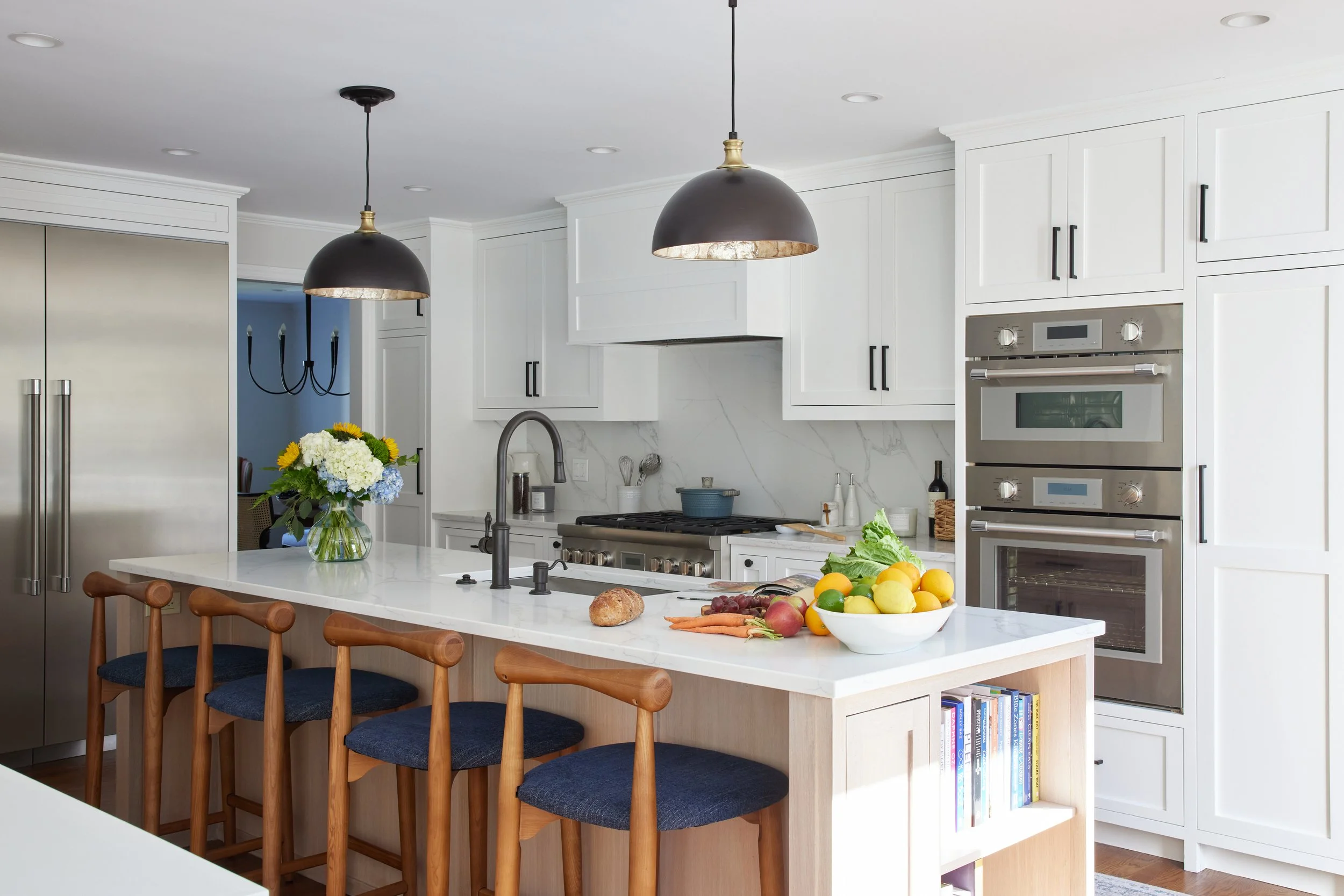
Have you ever cleaned your kitchen… only to watch it explode again before your coffee even finishes brewing?
It’s not because you’re disorganized, it’s most likely because your kitchen wasn’t designed for the way real life actually moves… dogs underfoot, backpacks on the counter, someone asking for a snack while you’re on a call, and the dishwasher open at exactly the wrong moment. At The O’Dell Group, we see it constantly: beautiful kitchens that photograph well, and function like an obstacle course. We wanted to lay it all out on the table with this article, a behind-the-scenes truth about what makes a kitchen feel effortless, calm, and naturally “put together,” even on a Tuesday at 7:42 a.m.
The biggest misconception: beauty automatically means better
A gorgeous slab backsplash won’t save a layout that fights you. And the regret most homeowners feel after a renovation rarely sounds like, “I wish I chose the other pendant.”
It sounds like:
“We’re always bumping into each other.”
“There’s nowhere to put things down.”
“The trash is awkward.”
“I love it… but it’s not easier.”
A real-life kitchen is designed around patterns, where you drop keys, where your kids hover, where the dog waits, where the groceries land, where the coffee ritual lives.
That’s the game. Not trends. Not showrooms. Not what your neighbor did.
Mistake #1: Designing for the photo, not the pattern
The fastest way to create daily friction? Ignoring how people move through the space. Most kitchens fail in three places:
Traffic paths: If the path from garage → pantry → fridge crosses directly through the cooking zone, you’re going to feel it every day.
Pinch points: That “perfect” island can become a speed bump if stools + clearance + appliances stack up in the same line of travel.
The gather zone that blocks the work zone: People always gather where the food is. If your island is the social magnet (it typically will be), your design has to account for where cooking and cleanup happen without an audience clogging the lane.
Mistake #2: Underestimating workflow (and overestimating willpower)
A kitchen that “works” is one where you don’t have to think very hard. The best designs reduce steps, reduce reach, reduce decisions. We design around zones, not just triangles:
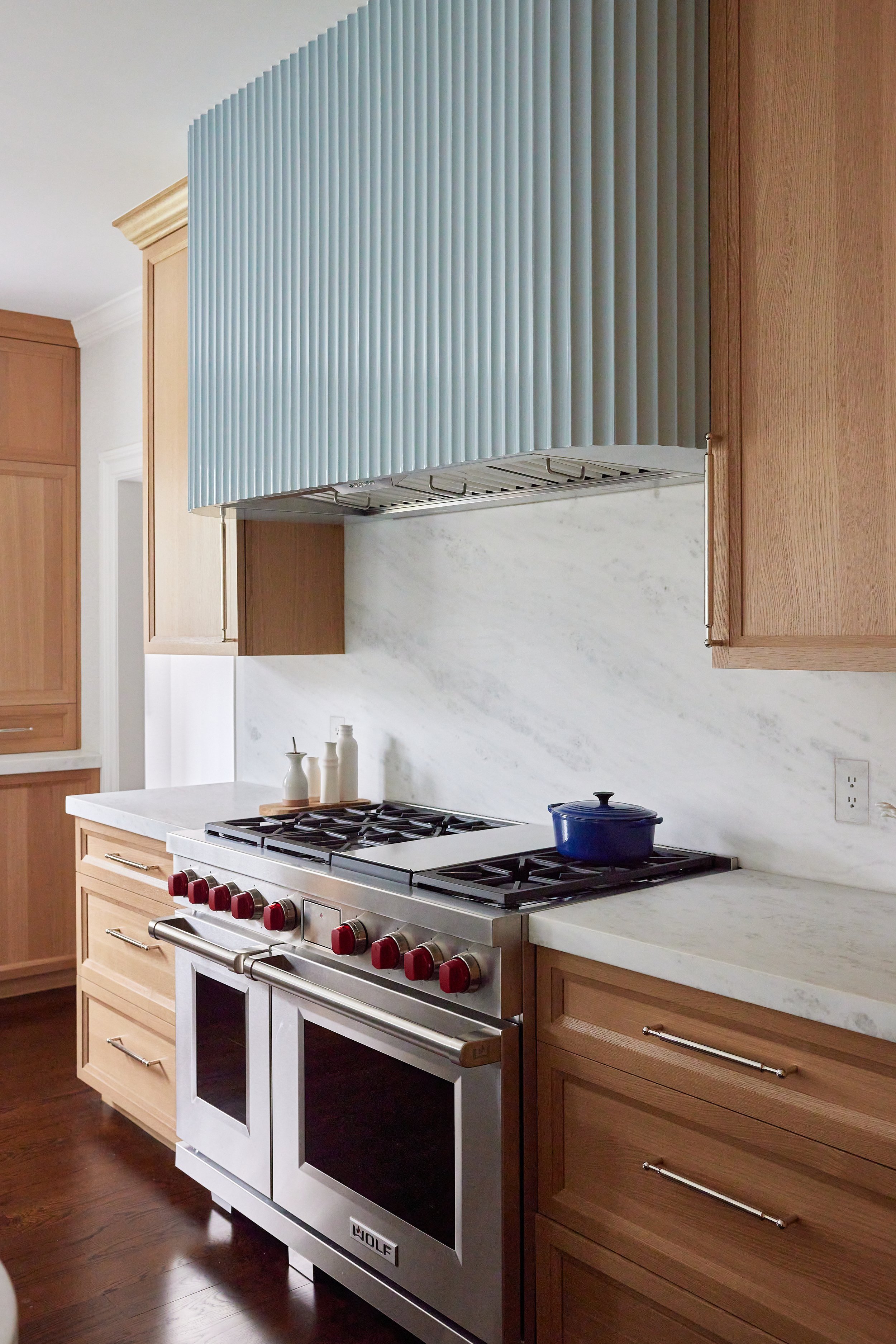
Kitchen Renovation with All The Bells and Whistles in Westport, Connecticut
See more of #ODGxWoodhillRoad on Instagram: designed by Heather Turk Interiors, built by The O’Dell Group.
Photo by Julia Dags. 2024.
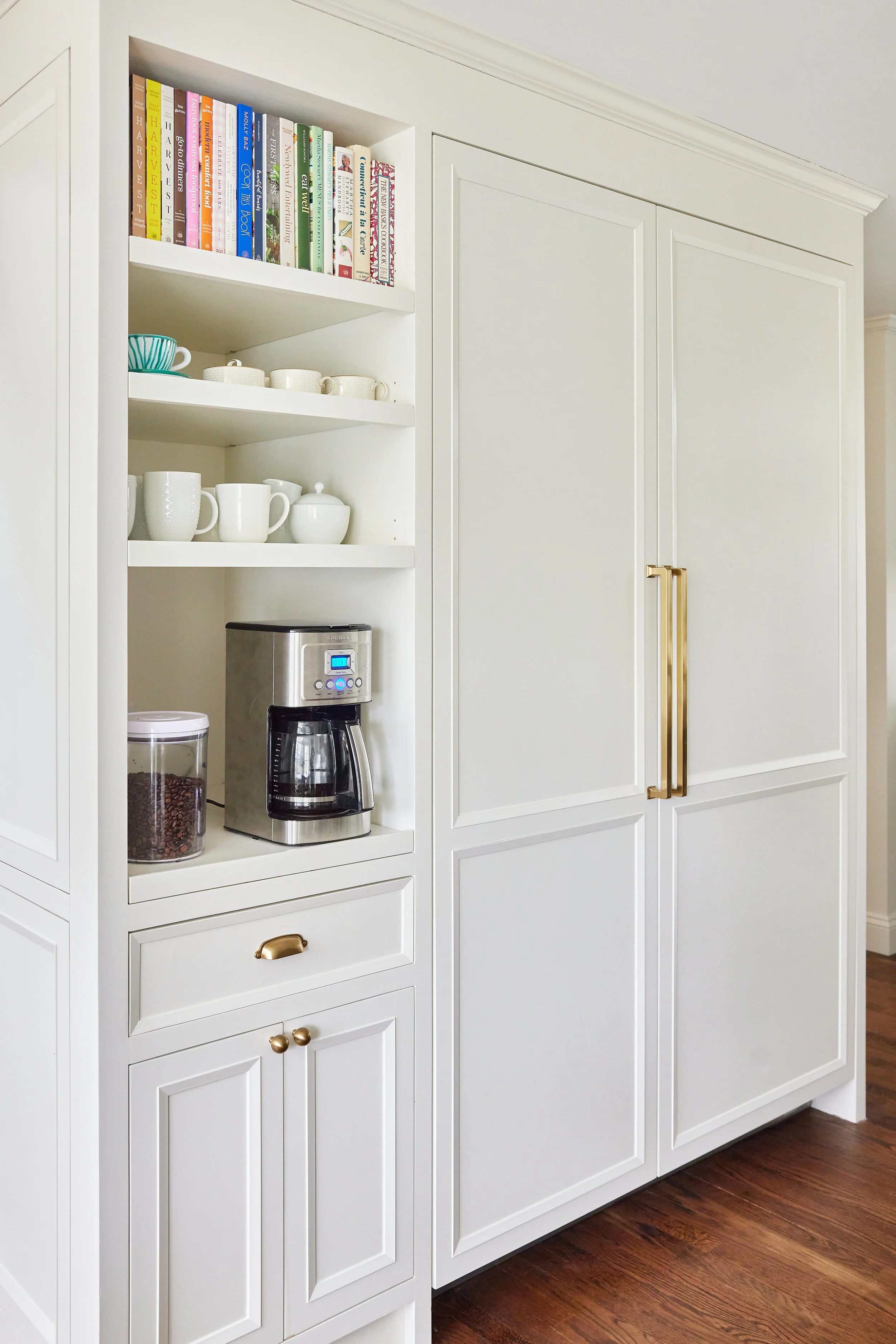
Coffee + morning launch zone (mugs, espresso, vitamins, kids’ bottles)
Prep zone (sink, knives, trash, prep spaces are together)
Cooking zone (range, spices, oils, utensils, landing space)
Cleanup zone (dishwasher + dish storage that makes unloading painless)
Kid-access zone (snacks where they can help themselves without climbing like mountain goats)
The magic is… that it feels like it’s anticipating you. And the truth is, “two cooks” is not a lifestyle flex. It’s reality. Your kitchen should function when two people are moving at once, without shoulder-checking each other.
Mistake #3: Treating cabinetry like a backdrop instead of the engine
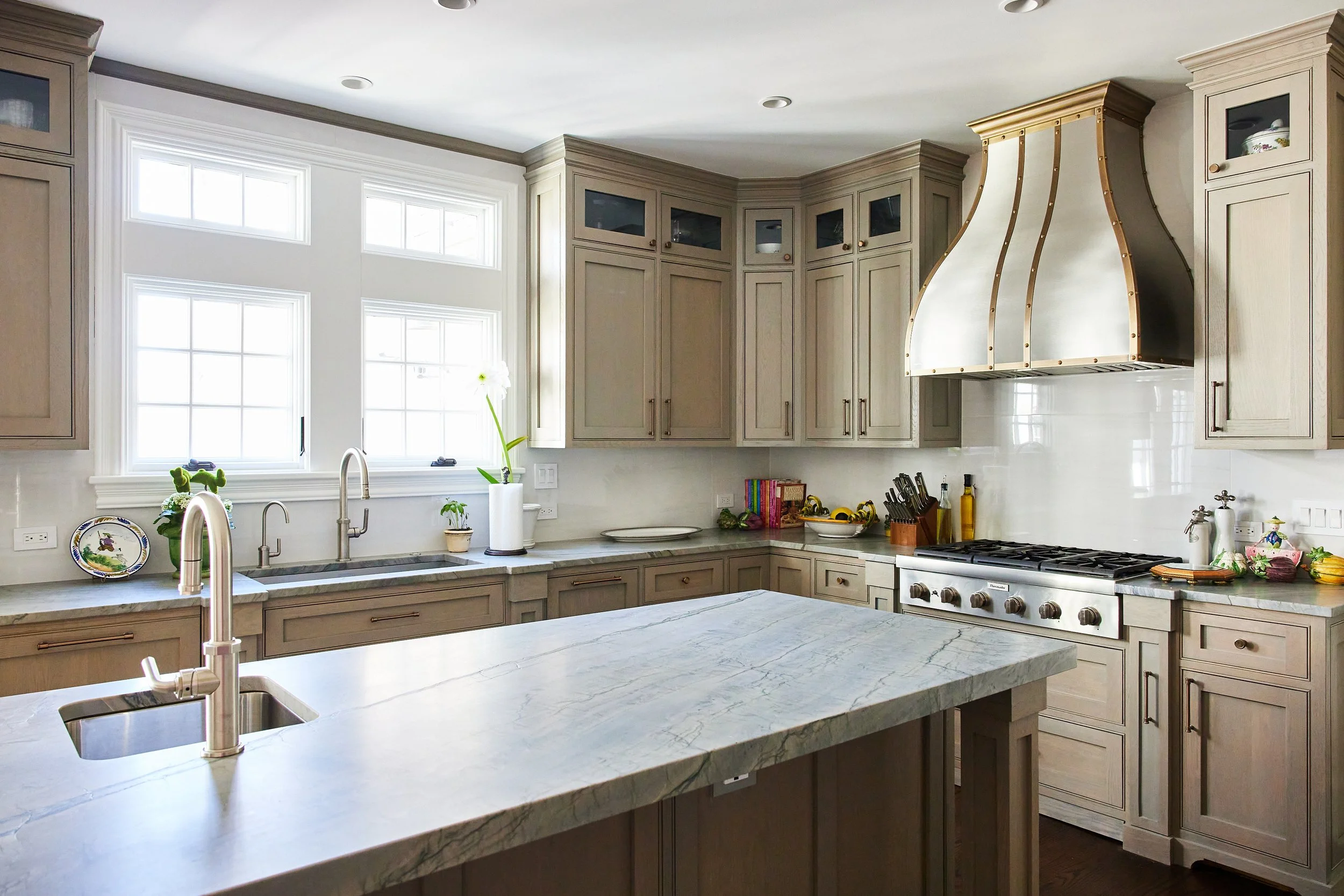
Fairfield, CT Kitchen Renovation. Completed by The O’Dell Group. Image by Julia Dags.
Cabinetry is all about function and storage. And it’s where “I wish we had…” shows up later. More cabinets doesn’t automatically mean better storage. The win is smart cabinet placement and design:
Deep drawers where you actually need them (not just for aesthetics)
A trash/recycling pullout placed where it makes sense (not where it was easiest)
Vertical storage for trays and boards
A pantry strategy that matches how you shop (Costco family vs. daily market person)
A concealed landing zone for backpacks, mail, dog leashes, chargers
A “small appliance plan” so the counter isn’t always in survival mode

Mistake #4: Ignoring decision fatigue until it eats your timeline
Here’s the part no one warns you about: kitchen design can be intimidating because there are a thousand micro-decisions, and most of them stack up at the exact moment you’re already busy.
Appliances. Plumbing finishes.
Cabinet door profiles. Lighting layers.
Outlet placement. Hood specs.
Island overhang. Stool height.
Quartz vs. stone. Faucet reach.
Pot filler (Will it get used?).
And suddenly you’re getting caught up on under-cabinet lighting at 10:47 p.m. like it’s a moral issue. Designer-led process matters because it prevents the spiral. It narrows options, anticipates lead times, and keeps decisions aligned with how you live, not how the internet says you should live.
Connecticut reality check: timing + lead times are part of design
In Connecticut, the “perfect kitchen” has to do with sequencing. Custom cabinetry and appliances can come with lead times that will reshape your timeline. If you wait until you’re “ready for construction” to start thinking through appliances and cabinetry, you’re not behind, you’re suddenly rushed. And rushed is where compromises get expensive. Planning early creates options. Options create calm.
The kitchen should support you, not demand you adapt
The best kitchens aren’t loud. They don’t require constant resetting. They don’t punish you for living in your own house. They feel obvious. Easy. Like they’ve been waiting for you.
If you’re thinking about a renovation (or even just testing the idea), let’s talk through how your kitchen needs to function, so the design actually gives you your life back.